
Diatreme’s high-purity silica project approaches key solar glass targets
Global demand for high-purity silica is intensifying as the solar energy sector expands and specialty glass applications multiply. Against this backdrop, the Galalar Silica Sand Project in Far North Queensland—owned by Diatreme Resources Limited (ASX: DRX)—is moving closer to critical development milestones. The project, one of few significant high-purity silica deposits worldwide, is positioned to supply both the solar panel glass market and a variety of specialty glass industries.
Project Overview
Diatreme Resources is focused on advancing its Galalar project, which hosts substantial high-purity silica sand. The deposit is notable for its low impurity levels, a characteristic essential for producing advanced glass products. The company has been conducting feasibility studies and pursuing environmental approvals, with recent updates indicating that these processes are nearing completion. When operational, the project will produce silica sand that meets the exacting standards required for solar and specialty glass manufacturing.

The High-Purity Silica Supply Chain
Unlike common sand, high-purity silica destined for glassmaking must undergo rigorous beneficiation. Removal of iron oxides, heavy minerals, and clay particles is essential to achieve the transparency and thermal properties demanded by modern glass. For solar panel glass, iron content must be reduced to minute levels to prevent the absorption of sunlight that would otherwise be converted to energy. The Galalar deposit’s natural purity gives it an advantage in this processing, potentially lowering costs and energy use compared to lower-grade sources.
The Solar Glass Market Pull
Photovoltaic module manufacturers increasingly demand low-iron, high-transmission glass to maximise energy conversion. This type of glass requires silica feedstock with iron content as low as 50 parts per million, far purer than conventional glassmaking silica. With global solar installations projected to reach hundreds of gigawatts annually, the requirement for high-purity silica is set to rise sharply. The Galalar project’s output is specifically targeted at this growing niche, offering a potential new source in a market currently dominated by a few global suppliers.
Specialty Glass and Beyond
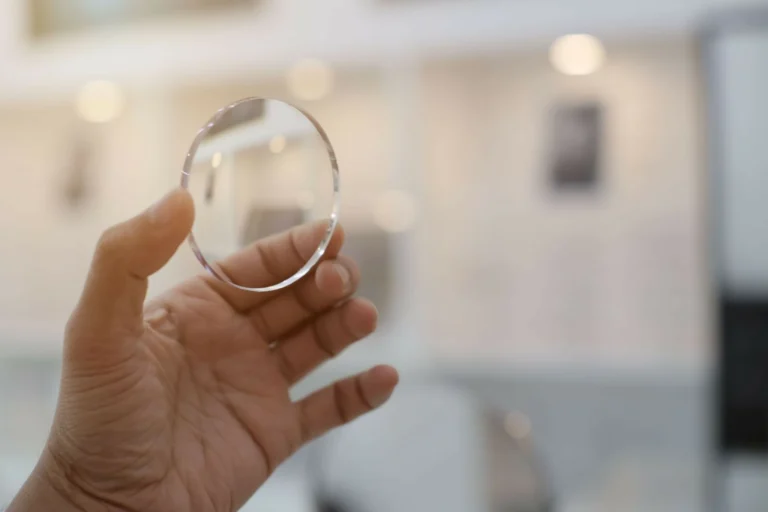
Beyond solar panels, high-purity silica is a critical input for a wide range of specialty glasses. Optical lenses, scientific instruments, semiconductor manufacturing equipment, and high-performance display screens all rely on contaminated-free silica to achieve their functional properties. high purity quartz glass material is particularly valued for its exceptional thermal resistance and optical clarity, making it indispensable in demanding environments. As industries such as 5G, photonics, and advanced optics expand, diversified supply chains for high-purity silica become increasingly important.
Market Dynamics and Competition
The Asia-Pacific region, particularly China, dominates high-purity silica sand consumption due to its massive glass manufacturing capacity. However, environmental regulations and resource depletion in traditional mining areas are pushing buyers to seek new supply sources. Australia’s stable mining regulations and proximity to Asia make projects like Galalar attractive to offtake partners. Diatreme Resources has indicated it is in discussions with potential customers, though no binding agreements have been announced at this stage.
Environmental and Economic Significance
Using high-purity silica to produce thin, strong solar glass enables larger panel formats and bifacial modules, which increase energy output per installation. This efficiency gain supports the broader energy transition. On the ground, the Galalar project could create regional jobs in North Queensland during construction and operations, contributing to the local economy while supplying a strategic material.
Strategic Industry Context
The global high-purity silica market has seen supply tightness in recent years due to quality constraints and logistical challenges. Most high-purity deposits are geographically concentrated, and few new sources are under development. Diatreme’s project, listed on the Australian Securities Exchange, benefits from Australia’s stable regulatory environment and proximity to Asian glass manufacturing hubs. Analysts view new entrants like DRX as crucial for diversifying supply and supporting the long-term growth of solar and specialty glass sectors.
What to Watch Next
Investors and industry participants will be monitoring several key data points in the coming months. Completion of the definitive feasibility study, environmental clearance from Queensland authorities, and any offtake agreements with glass manufacturers will be critical indicators of the project’s trajectory. Additionally, updates on global silica sand pricing and purity benchmarks will provide context for the project’s commercial viability.
| Aspect | Details |
|---|---|
| Project Name | Galalar Silica Sand Project |
| Location | Far North Queensland, Australia |
| Target Markets | Solar glass and specialty glass manufacturing |
| Development Stage | Approaching key milestones (feasibility studies, approvals) |
| Parent Company | Diatreme Resources Limited (ASX: DRX) |
| Key Differentiator | High purity, low impurity deposit in a stable jurisdiction |
Why This Matters
As the world accelerates solar installations and demand for advanced glass soars, secure sources of high-purity silica are becoming strategic assets. DRX's advancing project could reduce supply bottlenecks and support the growth of renewable energy and high-tech manufacturing sectors.
FAQ
Who is DRX?
DRX is the ASX ticker for Diatreme Resources Limited, an Australian mineral sands company focused on developing the Galalar Silica Sand Project in Queensland. The company aims to supply high-purity silica to the solar panel and specialty glass industries.
What is the Galalar Silica Sand Project?
It is a high-purity silica sand deposit located in Far North Queensland. The project involves extracting and processing silica sand to meet the stringent specifications needed for solar and specialty glass production.
When are the key milestones for the project expected?
The company has indicated that the project is nearing critical milestones, including completion of feasibility studies and environmental approvals, though specific timelines have not been publicly detailed in the latest update.
Why is high-purity silica important for solar glass?
For solar glass to achieve high light transmission and durability, it must be virtually free of iron and other contaminants. High-purity silica serves as the essential raw material to produce low-iron glass that maximises photovoltaic efficiency.
Sources
- Diatreme Resources (diatreme.com.au)
- Australian Securities Exchange (asx.com.au)
Source: TradingView