BOROFLOAT 33 & Alkali-Free Glass Wafers: Material Guide
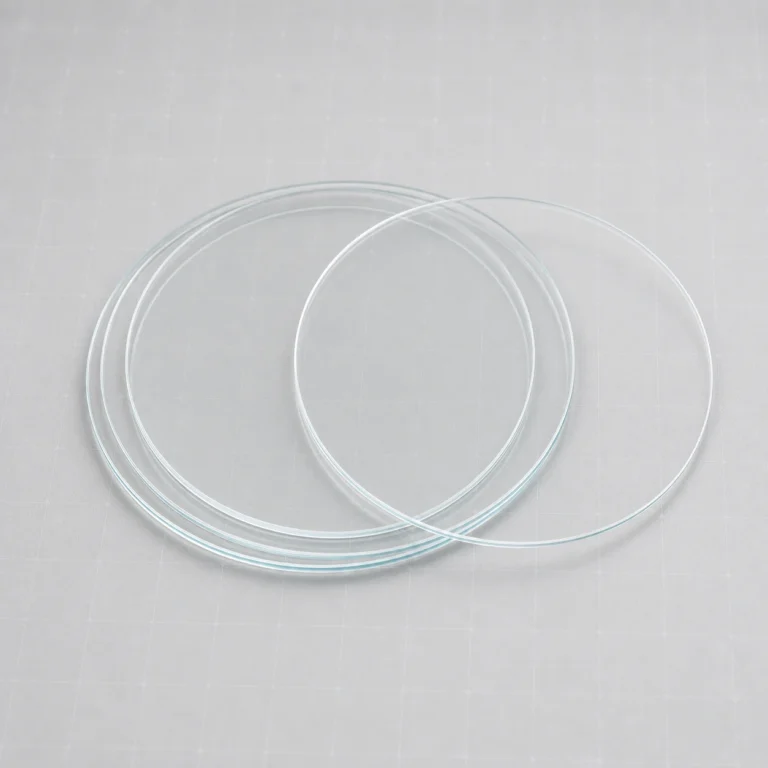
A technical overview of BOROFLOAT 33 and alkali-free glass wafer materials, including property trade-offs and coating options for semiconductor, optical, and industrial applications.
OpenGlass grades
Fused silica, quartz, borosilicate and specialty glass we machine to spec.

A technical overview of BOROFLOAT 33 and alkali-free glass wafer materials, including property trade-offs and coating options for semiconductor, optical, and industrial applications.
Open
An in-depth guide to fused silica and quartz glass options for B2B buyers. Covers material trade-offs, coating choices, and application matching for precision components.
Open
This guide helps B2B buyers select the best glass material and surface treatment for custom precision glass components with complex shapes, covering fused silica, borosilicate, sapphire, and coatings like AR, ITO, and hydrophobic layers.
Open
Selecting the right cover glass material and coating is critical for OLED module performance and longevity. This guide compares fused silica, borosilicate, aluminosilicate, and other labeled glass options, along with AR, ITO, and hydrophobic coatings, to help precision packaging professionals make informed decisions.
Open
This guide compares common glass materials and coatings for LED package covers, highlighting their optical, thermal, and mechanical trade-offs to help you select the right option for optical encapsulation.
Open
For precision assemblies requiring perforated quartz plates, material and coating selection directly impacts optical clarity, thermal stability, and chemical resistance. This guide compares fused silica, UV-grade quartz, and surface treatments to help B2B buyers make informed sourcing decisions.
Open
A practical guide to high-purity quartz glass and alternative substrates for custom machined parts. Covers material trade-offs, coating options, and how to match them to semiconductor, optical, medical, and industrial applications.
Open
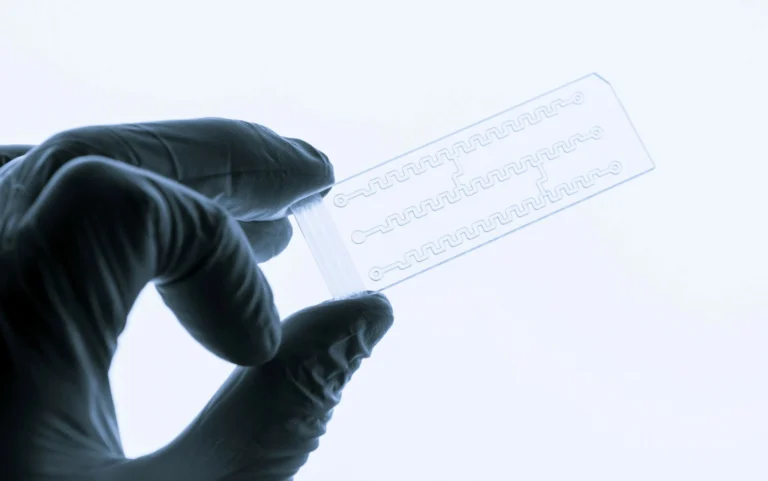
A comprehensive guide for B2B buyers comparing borosilicate BF33, fused silica, and other glass materials for microfluidic chip manufacturing, including coating options and selection criteria based on application needs and compliance.
Open
Selecting the optimal glass bottom substrate for microplates and labware requires balancing optical clarity, thermal stability, and chemical resistance. This guide compares material options and surface treatments to help procurement teams make informed decisions.
OpenEngineering Review
Send your requirements and we will match the right material, process and finish.