
DoD Injects $7.1M to Secure Satellite Cover Glass Supply Chain
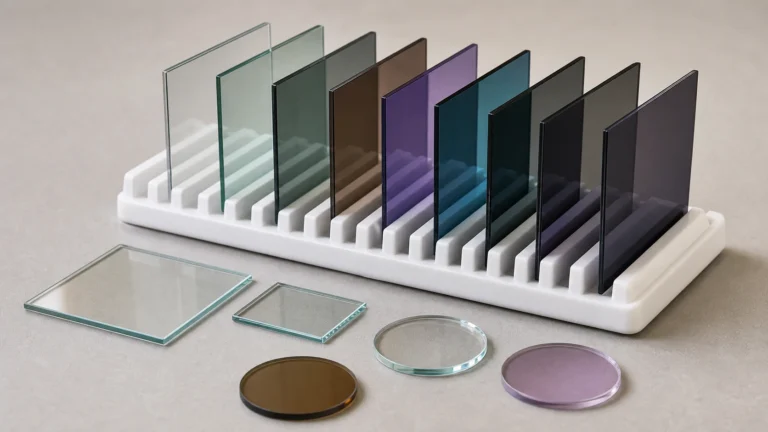
With a $7.1 million injection from the Pentagon, the United States is moving to shore up its domestic production of cover glass for satellites. The award, which was announced by the Department of Defense, targets a key material used to protect spacecraft solar arrays and optical instruments from the punishing environment of space.
The Role of Cover Glass in Satellite Durability
Satellite cover glass is a specialized, optically transparent material engineered to withstand extreme temperature fluctuations, radiation exposure, and micrometeoroid impacts. It serves as the outermost protective layer for critical components such as solar panels, star trackers, and imaging sensors. Without this shielding, solar cells would degrade rapidly in orbit, compromising mission lifetimes and data quality. The glass must combine high light transmission with exceptional mechanical strength, often incorporating anti-reflective and radiation-resistant coatings.
Addressing Supply Chain Vulnerabilities
The award underscores growing concerns over foreign dependency in the space supply chain. Much of the world’s high-precision optical glass is produced overseas, creating potential chokepoints for U.S. satellite programs. A report by the Defense Innovation Unit highlighted optical materials as one of the top supply chain risks for space systems, noting that a single-source foreign production line could cripple constellation deployment schedules. By expanding domestic capacity, the Department of Defense aims to ensure a reliable, secure source for both military and commercial satellite builders. This shift mirrors similar onshoring efforts in semiconductors and pharmaceuticals, driven by executive orders and bipartisan legislation.
Defense Production Act as a Strategic Tool
Funds for this initiative are being channeled through the Defense Production Act, a long-standing legal authority that enables the government to prioritize and incentivize critical manufacturing sectors. Under Title III of the act, the Pentagon can invest in production capacity to meet national security needs. This program is part of a wider DPA effort that has already funded expansions in microelectronics, rare earth processing, and solid rocket motors. The satellite cover glass award marks one of the first such investments specifically targeting optical components for space applications, reflecting the growing recognition of space hardware as a critical defense priority.
Industry Context: Growing Demand and Technical Standards
The global satellite industry is experiencing a surge in launch activities, driven by the expansion of low Earth orbit (LEO) constellations, Earth observation, and national security missions. Cover glass must meet rigorous military and industry standards, such as those for thermal cycling, optical clarity, and long-term durability. To qualify for use, cover glass must pass testing for adhesion, spectral transmission, and thermal cycling, often exceeding 1,000 cycles between -150°C and 150°C. Military programs also require compliance with ITAR regulations, further narrowing the pool of qualified domestic suppliers. Typical dimensions for satellite cover glass range from 3 inches to over 12 inches per panel, with thicknesses down to 0.1 mm for weight-sensitive applications. Production requires precision glass forming, coating, and assembly processes that demand significant capital investment and specialized expertise. The global small satellite market alone is projected to grow significantly by 2030, driving demand for reliable, lightweight protective materials. Companies in the U.S. capable of scaling such production are limited, making targeted government support essential to build a resilient ecosystem.
| Aspect | Details |
|---|---|
| Award Amount | $7.1 million |
| Awarding Body | U.S. Department of Defense |
| Purpose | Expand domestic production of satellite cover glass |
| Target Industry | Satellite manufacturing and space supply chain |
| Potential Impact | Reduced foreign dependency, enhanced space resilience |
Next Steps and Future Outlook
While details on the specific recipient and timeline remain undisclosed, the award is expected to accelerate the construction or expansion of a dedicated production line. With launch rates climbing and new commercial satellite constellations demanding thousands of units per year, the need for a scalable domestic cover glass supplier has never been more urgent. Industry observers anticipate that additional funding rounds may follow as the Pentagon continues to map out vulnerabilities in the space supply chain, signaling a strong federal commitment to building a self-sufficient capability for next-generation spacecraft components.
Key Figures
This story includes concrete figures such as $7.1 million. The points below pull out the key numbers so the reporting is easier to scan and verify.
- Award amount: $7.1 million Defense Department funding to expand domestic satellite cover glass production.
Why This Matters
This award signals a strategic push to secure the supply chain for a critical space component, as satellite cover glass protects sensitive optics and solar panels from harsh orbital conditions. By domesticating production, the Pentagon aims to mitigate risks from foreign dependencies and potential disruptions, aligning with broader defense industrial base priorities for space resilience.
FAQ
What is the purpose of the $7.1 million Pentagon award?
The award is intended to expand the domestic manufacturing capacity for cover glass used on satellites, ensuring a stable U.S. supply of this critical protective material.
Why is cover glass important for satellites?
Cover glass shields solar cells and sensitive optical instruments from harsh space conditions like radiation, temperature swings, and debris, directly impacting satellite performance and longevity.
How does the award align with broader defense priorities?
It addresses supply chain vulnerabilities identified in recent space industrial base reviews, reducing reliance on foreign suppliers and strengthening the defense industrial base under the Defense Production Act.
When will the expanded production come online?
Specific timelines have not been released, but DPA-funded projects typically aim to reach initial operational capability within one to three years of the award.
Sources
- Department of Defense (defense.gov)
- Defense Production Act (businessdefense.gov)
Source: SpaceNews