
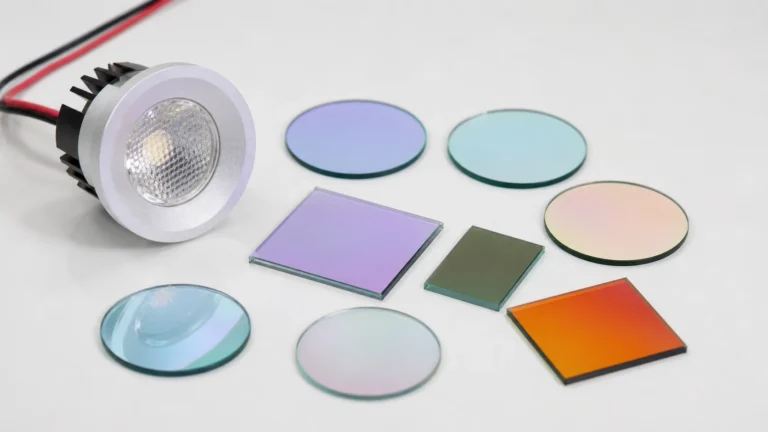
Precision Heating: The Furnaces That Shape Optical Glass
High-temperature furnaces operating between 1,400°C and 1,600°C are fundamental to producing homogeneous optical glass. This article explores the critical role of thermal control, common…
Glass Processing reporting spans announcements, market moves and policy shifts, so the coverage is most useful when the concrete facts are separated from the commentary.
The subjects that surface most often — Corning, Glass Processing, High-Temperature Furnaces, Industrial Furnaces and Optical Glass — outline the connected stories a reader following glass processing usually has to track together.
Reporting from azooptics.com has carried specifics including 1,600 and 1,400; these ground the topic in real numbers rather than general claims, and the source remains the reference for detail.
A topic moves into the news when something concrete changes — a major announcement, a funding or market figure, a policy decision or a measurable shift. The reports gathered here help show which of those forces is currently driving attention to glass processing.
Every item links to the outlet that published it, which remains the reference for exact figures and quotes. For anything consequential, comparing two or more independent reports is the most reliable way to confirm what actually happened.
Recurring prominence usually means Corning sits at the centre of an active development — a decision, a deal or a dispute. When a name repeats across reports, it is worth reading the underlying stories to see what has actually changed.
Recent reporting has cited figures such as 1,600 and 1,400. Numbers like these give a sense of scale and direction, but the exact amount and the context around it are best confirmed in the original article.