
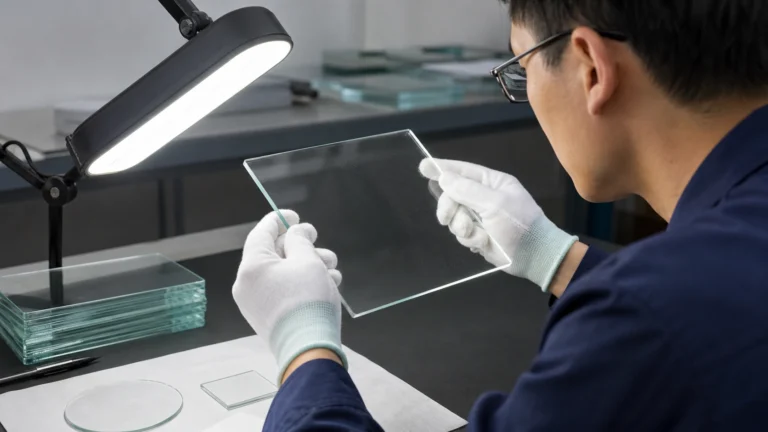
achromatic lens

Topic briefing

Making Sense of achromatic lens Coverage

Following achromatic lens means watching more than the latest headline: the funding amounts, growth rates, dates and named players behind a story are what show where it is actually heading.

Repeated references to achromatic lens, materials science, neutron imaging, Optics and Paul Scherrer Institute suggest these are the names and themes most central to the latest movement in achromatic lens.

Coverage here leans on Optics & Photonics News - Optics, Photonics, Physics News, so checking against additional outlets is worthwhile before treating any single account as the full picture.

Tracked items1reports informing this overview
Most recentJuly 20, 2026date of the newest tracked report
Reporting sources1distinct outlets, incl. Optics & Photonics News - Optics, Photonics, Physics News
Lead themeachromatic lenstop recurring topic of 7 tracked

achromatic lens FAQ

How should readers tell a significant achromatic lens story from routine coverage?

Significant stories usually carry verifiable detail — a named figure, a date, a percentage or a clearly identified organisation — and tend to appear across more than one outlet. Reports that stay at the level of general commentary are better treated as background.

Why does achromatic lens keep coming up in achromatic lens coverage?

Recurring prominence usually means achromatic lens sits at the centre of an active development — a decision, a deal or a dispute. When a name repeats across reports, it is worth reading the underlying stories to see what has actually changed.

What is the latest news on achromatic lens?

The most recent coverage of achromatic lens is collected here, ordered with the newest items first. Each report links back to its original source, so the freshest developments — and the dates attached to them — are easy to follow.

Where can readers verify these achromatic lens reports?

Every item links to the outlet that published it, which remains the reference for exact figures and quotes. For anything consequential, comparing two or more independent reports is the most reliable way to confirm what actually happened.