
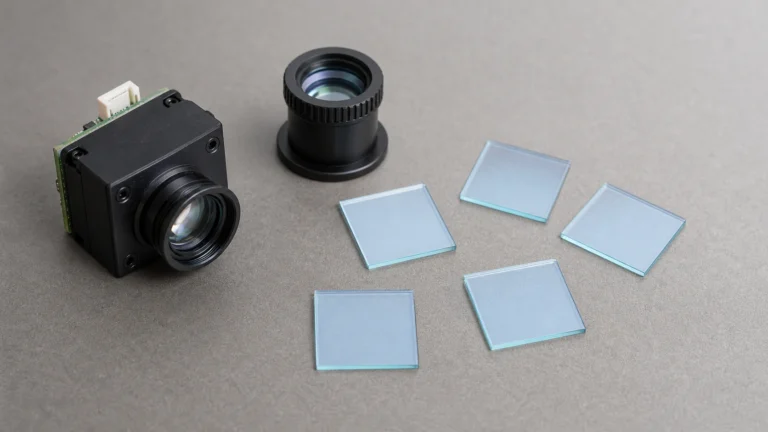
Radial Proton Acceleration from X-Pinch Enhances Proton Radiography
A plasma pinch configuration known as X-pinch has been shown to produce radially accelerated protons, functioning as a compact point source for high-resolution proton…
Following high-energy-density physics means watching more than the latest headline: the funding amounts, growth rates, dates and named players behind a story are what show where it is actually heading.
When High-Energy-Density Physics and related themes such as High-Energy-Density Physics, Nuclear Fusion, Optica, Plasma Physics and Proton Radiography keep appearing together, it usually signals a connected development rather than isolated news.
Most of the visible reporting traces back to Optics & Photonics News - Optics, Photonics, Physics News; a wider source base usually means a development is being covered broadly rather than through a single outlet.
Recurring prominence usually means High-Energy-Density Physics sits at the centre of an active development — a decision, a deal or a dispute. When a name repeats across reports, it is worth reading the underlying stories to see what has actually changed.
Significant stories usually carry verifiable detail — a named figure, a date, a percentage or a clearly identified organisation — and tend to appear across more than one outlet. Reports that stay at the level of general commentary are better treated as background.
A shortage of firm numbers usually means a story is still developing or is being reported qualitatively. In that case, the useful signals are who is reporting, which places feature and how widely the theme is covered; concrete figures tend to follow as events firm up.
These names and themes keep appearing alongside each other, which usually means they are part of the same wider story. Following them as a group — rather than one headline at a time — gives an earlier read on where high-energy-density physics coverage is heading.