
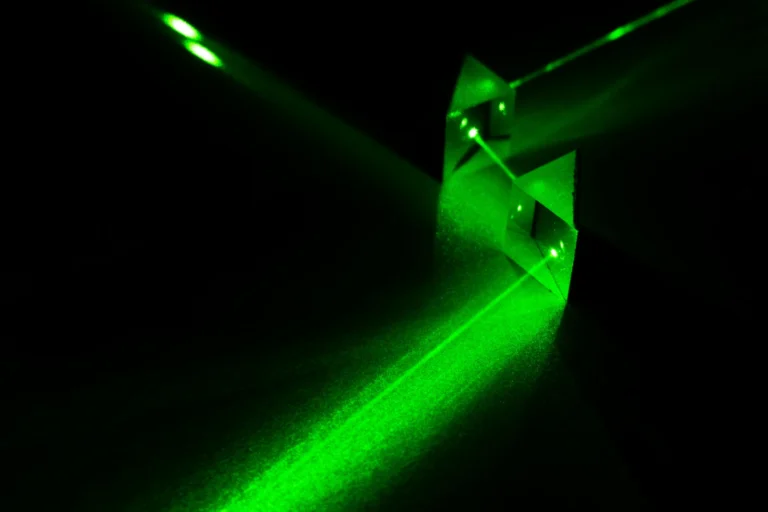
Laser System Precisely Positions 2,000 Rydberg Atoms for Quantum Computer
A research collaboration has produced a laser-optical system capable of positioning 2,000 Rydberg atoms with submicrometer accuracy inside a quantum computing vacuum chamber.
Readers tracking optical tweezers tend to care less about how a story is framed and more about the verifiable facts underneath it — the amounts, dates, rates and organisations named.
Repeated references to Fraunhofer ILT, Germany, Laser Optics, Optical Tweezers and Quantum Computing suggest these are the names and themes most central to the latest movement in optical tweezers.
Numbers like 2,000 and 1,000 — surfaced from coverage by Optics & Photonics News - Optics, Photonics, Physics News — are useful for a quick read of scale, but the precise basis behind any figure belongs to the source article.
These names and themes keep appearing alongside each other, which usually means they are part of the same wider story. Following them as a group — rather than one headline at a time — gives an earlier read on where optical tweezers coverage is heading.
Every item links to the outlet that published it, which remains the reference for exact figures and quotes. For anything consequential, comparing two or more independent reports is the most reliable way to confirm what actually happened.
Significant stories usually carry verifiable detail — a named figure, a date, a percentage or a clearly identified organisation — and tend to appear across more than one outlet. Reports that stay at the level of general commentary are better treated as background.
A topic moves into the news when something concrete changes — a major announcement, a funding or market figure, a policy decision or a measurable shift. The reports gathered here help show which of those forces is currently driving attention to optical tweezers.