
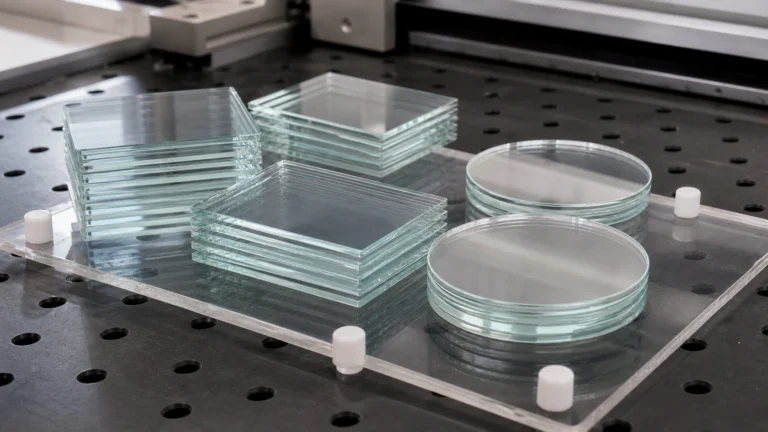
Laser Authentication Device Achieves Near-Zero False Matches
A new laser-based device achieves real-time authentication with a false positive rate so low it approaches zero, offering scalable, high-assurance identity verification.
Coverage of digital security moves quickly, and the details that matter — who is involved, how large the figures are and when changes take effect — are rarely clear from a headline alone.
Around digital security, coverage clusters on Biometric standards, Digital security, False positive rate, Laser authentication and Optical components, and watching how those threads develop relative to each other often reveals the bigger story.
Numbers like 0.1% — surfaced from coverage by Optics and Photonics News RSS — are useful for a quick read of scale, but the precise basis behind any figure belongs to the source article.
Recent reporting has cited figures such as 0.1%. Numbers like these give a sense of scale and direction, but the exact amount and the context around it are best confirmed in the original article.
Figures such as 0.1% reflect what a particular report stated, which can be preliminary or later revised. Treat them as a guide to magnitude and check the source for updates before relying on any single number.
The most recent coverage of digital security is collected here, ordered with the newest items first. Each report links back to its original source, so the freshest developments — and the dates attached to them — are easy to follow.
A topic moves into the news when something concrete changes — a major announcement, a funding or market figure, a policy decision or a measurable shift. The reports gathered here help show which of those forces is currently driving attention to digital security.