
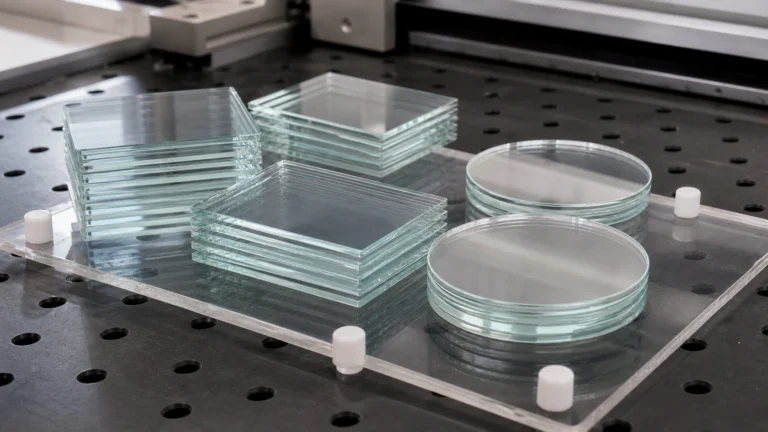
Laser Authentication Device Achieves Near-Zero False Matches
A new laser-based device achieves real-time authentication with a false positive rate so low it approaches zero, offering scalable, high-assurance identity verification.
Coverage of false positive rate moves quickly, and the details that matter — who is involved, how large the figures are and when changes take effect — are rarely clear from a headline alone.
When Biometric standards and related themes such as Biometric standards, Digital security, False positive rate, Laser authentication and Optical components keep appearing together, it usually signals a connected development rather than isolated news.
With outlets such as Optics and Photonics News RSS citing details like 0.1%, the topic offers something concrete to track — once each figure is checked against the original report.
The most recent coverage of false positive rate is collected here, ordered with the newest items first. Each report links back to its original source, so the freshest developments — and the dates attached to them — are easy to follow.
A topic moves into the news when something concrete changes — a major announcement, a funding or market figure, a policy decision or a measurable shift. The reports gathered here help show which of those forces is currently driving attention to false positive rate.
Significant stories usually carry verifiable detail — a named figure, a date, a percentage or a clearly identified organisation — and tend to appear across more than one outlet. Reports that stay at the level of general commentary are better treated as background.
Every item links to the outlet that published it, which remains the reference for exact figures and quotes. For anything consequential, comparing two or more independent reports is the most reliable way to confirm what actually happened.